
Season 1 of The Last of Us worked because it told deeply human stories in a post-apocalyptic world. It balanced survival, emotion, and complex characters with subtle representation.
Season 2 shifts focus — not just thematically, but structurally — turning what felt universal into something narrower. Representation is essential, but when it overshadows story, it risks feeling like messaging rather than narrative.
The show’s evolution raises questions: What makes a post-apocalyptic story resonate? How do creators balance representation with storytelling? And what happens when trying to please everyone leads to losing what made the show great in the first place?
Ellie’s character lost something crucial, and it’s not related to growing up, or being more rebel than ever. Those are actually traits that somewhat work.
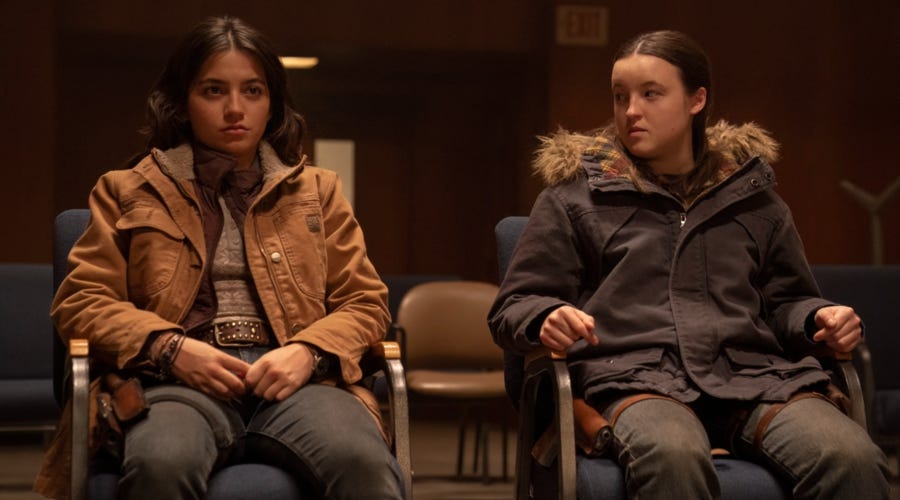
Initial appeal: strong post-apocalyptic setting, complex characters, layered storytelling.
Current season criticized as a shift toward a more one-dimensional teen drama with a strong ideological focus.
Perception that the show prioritized LGBT teen narratives in a way that overshadowed the broader, nuanced world-building of the original.
Noted decline in storytelling depth and emotional impact.
Reflection: How a once-balanced narrative with room for diverse stories became narrower and less compelling.